
Linguistic Landscape
- hrosso25

- Feb 7, 2021
- 4 min read

The reason behind choosing this area is because this is where I grew up. This farm has been with my family for over 100 years. My ancestors homesteaded in 1913 from Italy. This place is something that I hold close to my heart. I have learnt not only from words but mostly from the people that have come to my farm. The house that I grew up on is exactly 20 steps away from my grandparents’ house. My Grandparents house was the coffee shop and people came from near and far every single day. We have had people from across the world coming for cattle related tours; where they learned about our farming techniques compared to theirs back home.
Around this community you will find people the ranch and farm but most times the wife works in town doing another job. During my time of growing up I have only seen a few different people come to live. About five years ago a South African doctor and his family moved about 5 miles from my farmyard. It was interesting to learn how they performed daily farming tasks compared to my family. Learning their values of learning changed my perspective. Each child at a young age had to learn three different languages. The parents took time to speak in each language, so he was familiar with all.
This area is mainly middle to high class living. There are a few big farmers around but mainly it is the families that have been on this land for many years. Most farms have been passed through numerous generations.
On my families land you can see burial sites from past people burying their loved ones. Also, you can sometimes find old tipi rings from the Aboriginal community. The Blackfoot Tribe lived on this part of land before my family homestead in 1913. This land borders the Old Wives Lake and there is an old story that goes with how the name came to be.
"An Indian legend from the 1800s reveals how Old Wives Lake, to the west, was named. One winter a Cree party went beyond their traditional area in search of buffalo. They ventured into territory claimed by both the Cree and Blackfoot.
The Cree were rewarded by a successful hunt. At their lakeside camp they were surprised by a Blackfoot war party. After a brief skirmish, the Blackfoot went back into the hills to wait for dawn. The Cree fires burned into the night as they decided what to do.
The old Cree women suggested that they stay and tend the files, allowing the rest of the Cree to get away. At sunrise the Blackfoot were enraged to find only the grandmothers tending the fires. It is unlikely any women survived. The Cree called the lake Notukeu for old women.
On windy nights you may hear the old wives' laughter mocking their Blackfoot enemies" (Hill).
This zone is for all the farmers and ranchers. There may be minimal signage around this area because it is not a town or part of a city, but this is a zone that means the most to me. There are signs that most people won’t be able to relate to but that’s okay’ they may just need a bit explaining on the back story. Each place has a different story behind it. I want to show where my roots come from and bring that into the light.



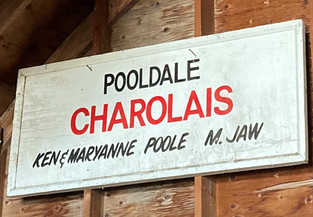


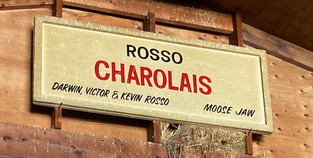





This zone is dominated by English influence. The diversity amongst cultures is not noticed in this area. The descendants from other nationalities did not homestead on this part of the lake. It is prominent that the English language is the only one that has been used in the most frequent years. English would be the most spoken language. The only time there would be another language spoken is someone that had just moved in or are visiting the zone. This past summer we had people out for a drive all the way from Quebec. They were passing through to the neighboring community that is a large French community.
The languages spoken are determined by who is visiting at the time. Even though English is the dominant language in this zone, you can still hear other languages. It may be infrequent but there is always still a chance to hear a different language. I remember one year there was a biker from Germany that was doing a cross country trip. He had a thick accent and was more than willing to teach us some words. They knew that we spoke English, but we were interested in learning his language to make him feel more comfortable and welcomed.
These pictures do represent my language identity. All these signs represent English nature and that is where I have grown up. I am always interested in learning about different languages if they are presented to me. I have always been stimulated with English words, so if I were to see a sign with a different language; it would intrigue me to learn what it means. This linguistic landscape does not give me a lot of resources to grow in the fact of signage. I believe it gives me more of an opportunity to ask my community more about their ancestors. That would be a way for me to gain more knowledge and understanding. It is a challenge living in all English zone, but I feel like with the people that show up here randomly I have become aware of other cultures.
While driving around I found numerous hunting signs. It was present that farmers around this area do not just want anybody on their land. It is in concern of trespassing and wrecking things. This land is clearly marked in English writing that there is no hunting on the property or trespassing. The community wants to make sure that there are numerous signs, so people get the point. It is always appropriate to ask the landowner before going on land that does not belong to you.
In this zone the community are the ones that decide what language gets posted. Some of the signs that I photographed are mandated from the provincial government. The rest of the signs are decided by who owns them. Each sign wants to tell a different story but are written in the same language. I did not see one sign that was not written in English. This zone is dominated by the English language when it comes to signs but sees people from across the world.
References:
Hill, J. (n.d.). Old wives massacre. Retrieved from https://www.readtheplaque.com/plaque/old-wives-massacre

Comments